Why Truck Accidents Happen
Most truck accidents are not random events. They are the predictable result of safety violations, corporate negligence, and systemic failures in the freight industry. Understanding why your accident happened is the first step toward accountability.
Federal studies show that 96% of truck accidents involve at least one preventable factor. But “preventable” doesn’t mean just the driver made a mistake. It means that somewhere in the chain — from the company that hired the driver, to the broker that selected the carrier, to the shipper that loaded the truck — someone failed to do what the law required of them.
The six areas below represent the core categories of truck accident liability. In many serious crashes, multiple parties share responsibility. Research each area to understand how it might apply to your situation.

Truck Driver Negligence
Hours of service violations, distracted driving, falsified logs, impairment, and driver error are among the most common causes of truck accidents. But driver negligence rarely exists without company enablement.
87% of crashes involve driver error as a contributing factor

Trucking Company Negligence
Negligent hiring, inadequate training, deferred maintenance, and pressure to violate safety rules make the carrier the most important defendant in most serious truck accident cases.
Most common source of liability in serious crash cases

Broker Negligence
Freight brokers who select unsafe carriers without proper vetting can be held liable for the accidents that follow. This is one of the most overlooked areas of truck accident liability.
Brokers arrange a significant portion of all U.S. freight movement
Shipper Negligence
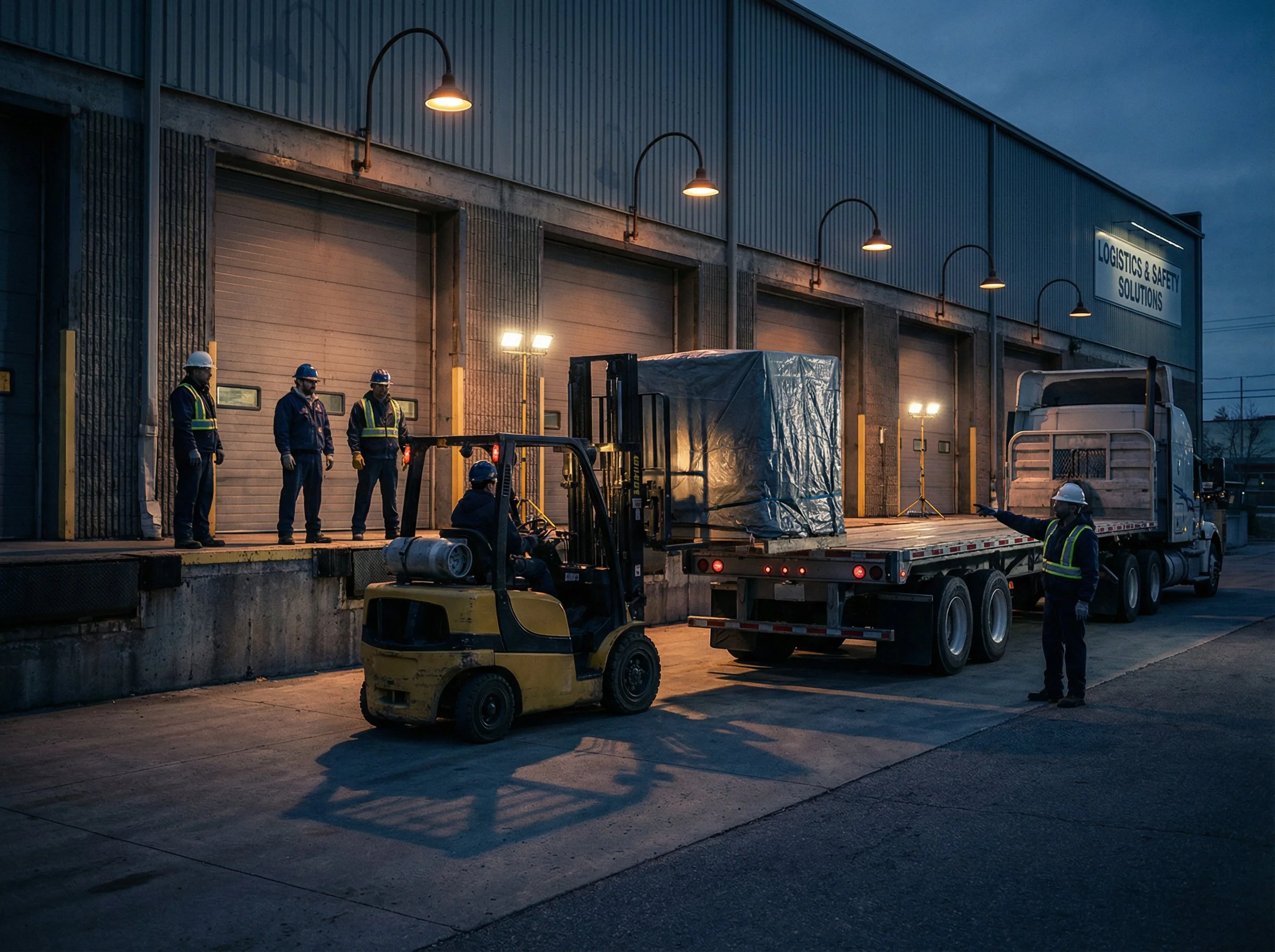
The company whose goods are being transported has real legal obligations. Improper loading, overloading, and unrealistic delivery demands can all contribute to crashes.
Cargo-related factors contribute to thousands of crashes annually

Hidden Motor Carriers
Some companies operate as motor carriers in practice but claim to be brokers on paper — specifically to avoid the liability that comes with carrier status. Uncovering the truth is critical.
Corporate shell games are increasingly common in the freight industry

Statutory Employment
Federal law treats truck drivers as employees of the motor carrier — regardless of what their contract says. The ‘independent contractor’ defense fails more often than carriers admit.
Federal regulations override independent contractor labels for liability purposes
Not Sure Where to Start?
The Law Firm for Truck Victims can review the facts of your accident and help you identify which liability theories apply. Free, no-obligation, and confidential.